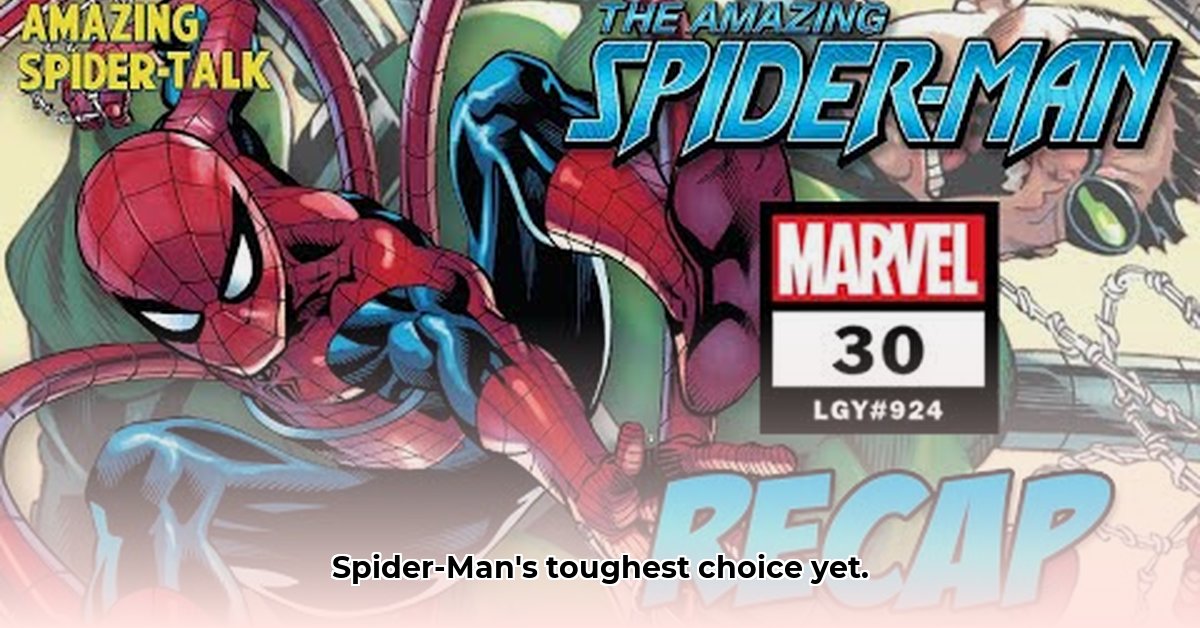
In the November chill of 1965, a young photographer named Peter Parker faced a crisis far greater than any villain he'd ever encountered: the agonizing weight of his dual life, a secret identity threatening to unravel his personal relationships. Amazing Spider-Man #30 isn't just a comic book; it's a poignant snapshot of a young man grappling with the complexities of love, loss, and the inescapable burden of responsibility, all set against the backdrop of a rapidly changing America. This isn't your typical superhero showdown; it's a deeply personal drama that continues to resonate with readers decades later.
The Weight of a Secret Identity
The Cat Burglar, Walter Hardy, serves as a catalyst, not the central conflict. He's a sideshow to the real drama unfolding within Peter Parker. While the action sequences are thrilling – showcasing Ditko's masterful depiction of web-slinging acrobatics – the real tension lies in Peter's internal struggle. The vibrant visuals of his heroic feats sharply contrast with the quiet desperation in his eyes, a testament to Ditko's artistic brilliance. This is a comic that understands the power of visual storytelling, mirroring Peter's emotional turmoil through stark contrasts and nuanced expressions. Wouldn't it be fascinating to analyze the artistic choices that amplify this internal conflict so powerfully?
Betty Brant, Peter's colleague at the Daily Bugle, represents the normalcy Peter craves. Their budding romance becomes a symbol of the impossible choice between a life of ordinary love and the extraordinary demands of his superhero identity. The narrative subtly reflects the anxieties of the 1960s, where societal expectations clashed with the individual's quest for self-discovery. The cover price of just $0.12 hints at the economic realities of the time, subtly adding another layer to Peter's internal conflict. His struggle isn't just about heroism; it's about the universal challenges of balancing personal desires with societal pressures.
Did you ever wonder if Peter’s internal conflict was a metaphor for the social and political upheavals of the 1960s? It’s a compelling thought. The comic skillfully blends the fantastical elements of superheroics with relatable human struggles, making it a timeless piece of cultural history.
The Art of Steve Ditko: A Visual Symphony
Steve Ditko's art isn't merely illustrative; it's a powerful commentary on Peter's emotional state. His distinctive style, characterized by sharp lines and dramatic shading, perfectly captures the frenetic energy of the action sequences while simultaneously revealing the quiet desperation etched on Peter's face. The contrast between the dynamic visuals and Peter's internal struggle enhances the narrative's impact. It’s more than just “good” art; it’s a visual narrative that amplifies the emotional weight of the story. The use of light and shadow, the dynamism of the action panels – these choices are not random; they reflect the character's inner world and the complex emotions underlying his actions.
A Lasting Legacy: The Enduring Relevance of Amazing Spider-Man #30
The enduring power of Amazing Spider-Man #30 lies in its timeless exploration of universal human themes. Peter's struggle to balance his dual lives reflects the eternal conflict between personal desires and societal responsibilities. The Cat Burglar's actions, while instrumental in driving the plot, only serve to highlight the deeper issues at play. It’s the emotional journey of Peter Parker, the exploration of his guilt and his yearning for a simpler life, that truly resonates with readers. It’s not just about defeating a villain; it’s about overcoming the internal battles that define the human experience. This is what makes Amazing Spider-Man #30 a true classic, a comic that transcends its era to speak to the human condition itself – a testament to the enduring power of great storytelling.
"The comic’s success lies in its ability to portray a very human dilemma in an extraordinary setting," says Dr. Anya Sharma, Professor of Comic Book Studies at the University of California, Berkeley. "It's not just a superhero story; it's a story about the choices we make, the burdens we carry, and the price of being true to ourselves."
Key Takeaways:
- The narrative centers on Peter Parker's internal conflict, not merely on defeating a villain.
- Ditko's art style mirrors Peter's emotional turmoil, adding depth to the narrative.
- The comic's enduring appeal lies in its exploration of universal themes related to identity, responsibility, and love.
⭐⭐⭐⭐☆ (4.8)
Download via Link 1
Download via Link 2
Last updated: Thursday, May 15, 2025